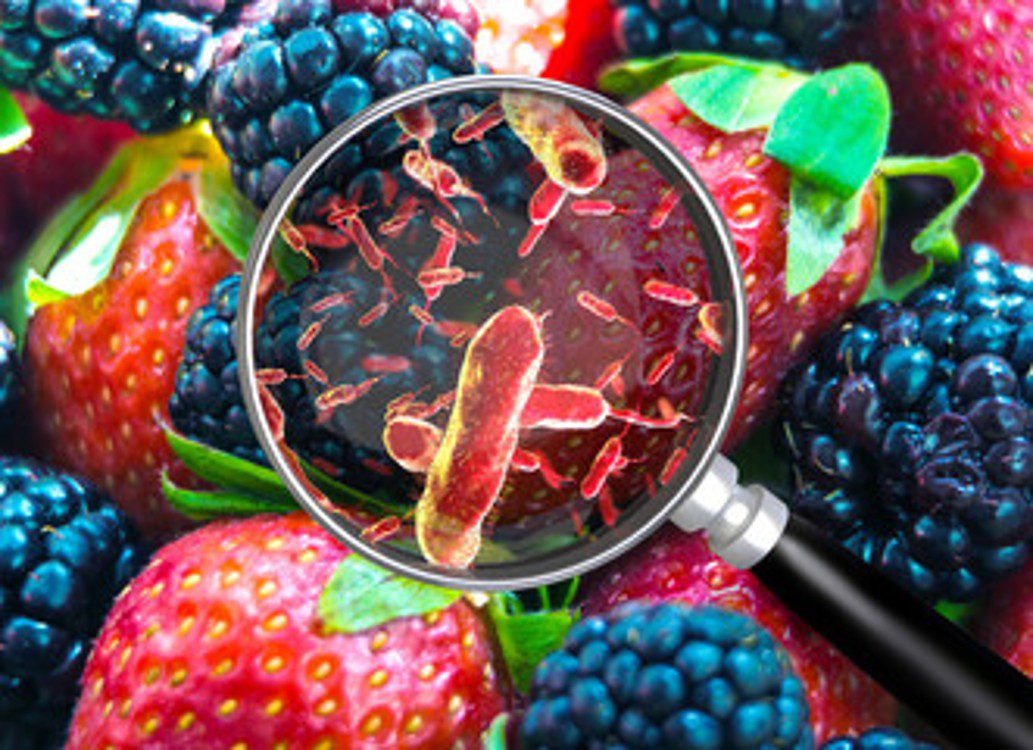
With several new outbreaks affecting the entire country, many people are asking: Is my food still safe to eat? A new parasite is making its way around the country and affecting people nationwide. From popular food chains to grocery store purchases, people are nervous.
With Cyclospora putting hundreds of people in the emergency room—including 2 confirmed deaths—many people are questioning what food is safe to consume. Experts weigh in to quell fears and deliver some positive news. But many people remain on edge.
Here are the facts you need to know about the parasite, and what you can do to stay safe:
What is Cyclospora?
Cyclospora is an intestinal illness caused by a microscopic parasite. The outbreak has now been linked to iceberg lettuce.
The symptoms of Cyclospora include but are not limited to:
- Watery diarrhea
- Weight loss
- Bloating
- Loss of appetite
- Cramping
- Increased gas
- Vomiting
- Nausea
- Headache
- Fatigue
- Body aches
- Fever
- And more
Cyclospora spreads when someone drinks a beverage or eats food that is contaminated with human feces. It takes between a week and two weeks to show symptoms. In some cases, it can occur within several days.
Is Food Safe to Eat?
Millions of Americans have had to consider what is safe to eat, and what isn’t. Every week it feels like there is a new outbreak. In the last several weeks, more illnesses—such as salmonella—have hit grocery stores.
This raises the question: Is our retail food actually safe to eat? In a word, yes. The CDC stated that the United States of America’s food supply is generally safe to eat. However, they have revealed that the following foods can be a risk:
- Raw or undercooked meat
- Unpasteurized dairy
- Unwashed produce
- Raw eggs
These items have a higher link to foodborne illnesses. The CDC also wants Americans to realize that these risks are not new. Some risks exist due to parasites, bacteria, and chemicals and can impact the food through storage, cooking, and handling.

Why Food Feels Riskier Now
Experts shared that improved testing can detect contaminants in food at the lowest levels. That, in and of itself, paves the way for a higher count of these foods making the headlines. The better the technology, the higher the amount of traced contaminated food supply.
The actual health risk from these low-level exposures remains low. Our bodies have adapted to handle toxins that exist naturally and are found in animals and plants. The biggest risk to our health comes from patterns. These patterns include the frequent consumption of ultra-processed foods. The most common ultra-processed foods include, but are not limited to:
- Flavored potato chips
- Candy
- Soda
- Packaged baked goods
- Chocolate bars
- Pretzels
- Fruit drinks
- Instant ramen
- Processed meats
- And more
What is ACTUALLY Risking Your Health
In the end, most foods remains safe for Americans to eat. Microplastics and forever chemicals in water are currently dominating headlines. The summer parasite and pesticides on produce are right up there as well. That has made grocery shopping these days feel like walking through a wolf den, but it doesn’t have to.
The reality is that our bodies are designed to process low-level exposures. The biggest risk to our health is indulging in overprocessed foods on a consistent basis. Changing these habits is simple and can promote longevity and better overall health. Cut your exposure to the things worth worrying about.
Here are the biggest risks to your health in terms of food:

Overconsuming highly processed foods
Ultra-processed foods—or UPFs—are consistently linked with higher risks of cardiovascular disease, obesity, Type II diabetes, systemic inflammation, and additional chronic conditions. These foods include chips, frozen pizza, packaged snack cakes, instant noodles, and more.
These UPFs are high in added sugars, sodium, unhealthy fats, and low in vitamins and minerals, fiber, and anything beneficial. These foods are specifically engineered to be overconsumed, which increases their risk to your overall health.
Sugar-sweetened beverages (SSBs)
Sodas and sweetened juices have a strong link to cardiometabolic diseases such as kidney stones, depression, and higher uric acid levels. Millions of diabetes and cardiovascular cases are connected to SSB consumption.

Processed meats
Bacon, hot dogs, and lunch meat rank among the most popular foods in America. In fact, we are known for it across the world.
However, these processed meats wreak havoc on our bodies and overall health. Chemicals formed during the smoking and curing process damage the colon lining over time. The World Health Organization has classified these foods as carcinogenic for colorectal cancer.
Industrial trans fats
Baked goods, fried foods, and margarine increase overall LDL cholesterol, risk of heart attacks, stroke, inflammation, and mortality. Many countries across the world have since banned and limited the production and sale of these fats as they are proven to be harmful.

Bottom Line
A new headline will likely appear every month about a new parasite or infected food. The better the technology, the more contaminated foods and suppliers will be found. This is not a reason to panic, but to be more aware.
Knowing the contaminated food source is the first place to start. Examining your own food patterns will be more beneficial to you in the long run. Highly processed foods, sugary drinks, and trans fats pose more of a real threat to your health. It is wise to be on the lookout for contaminated foods, but no need to worry yourself over it.
Keep an eye on your daily food habits. That is where the true measure of health exists.